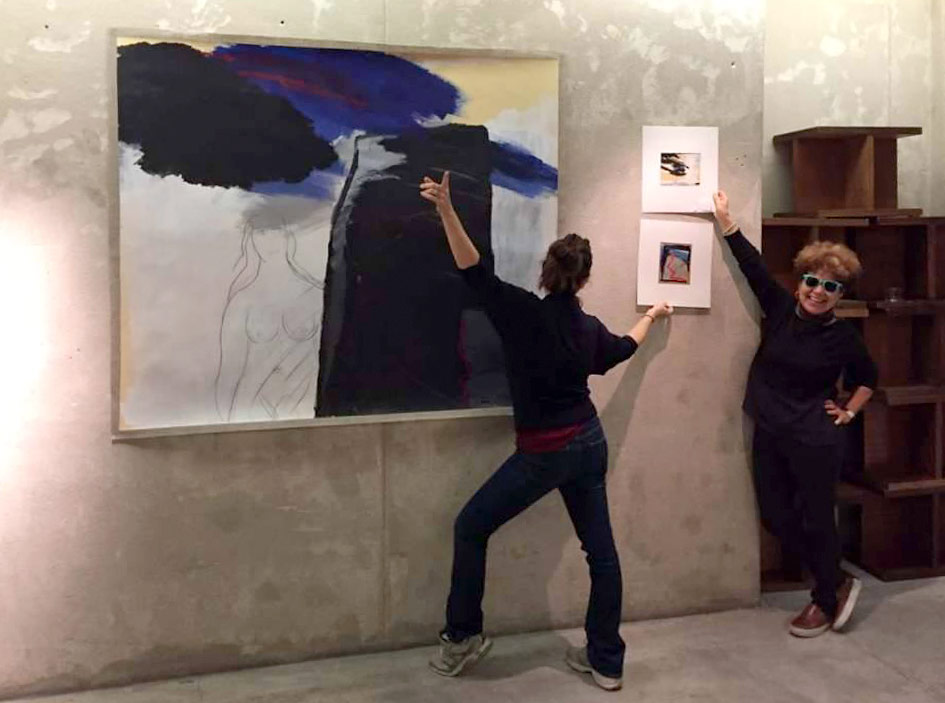
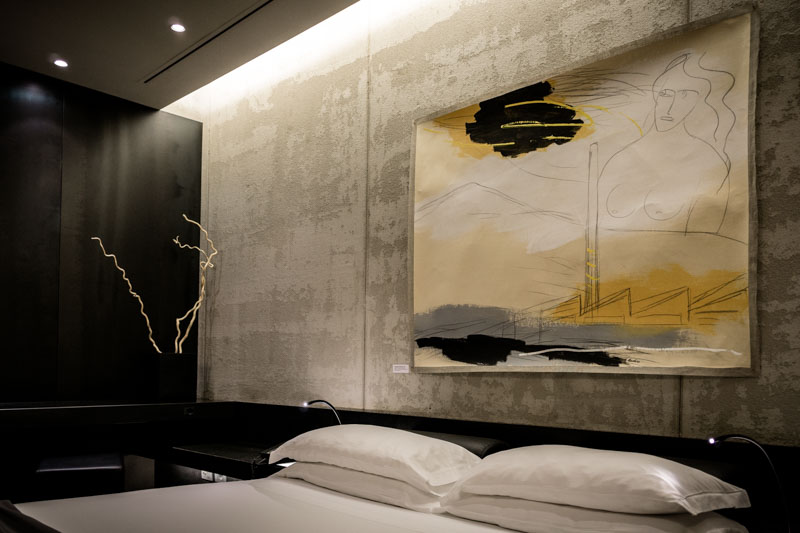
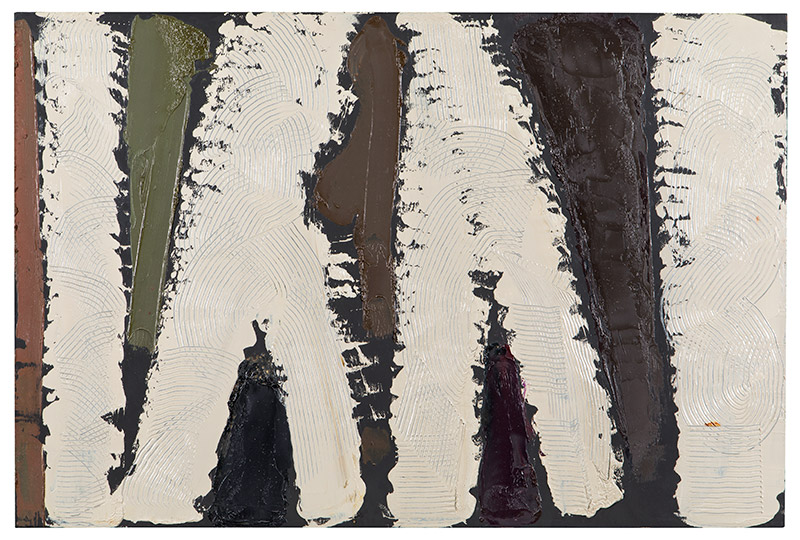
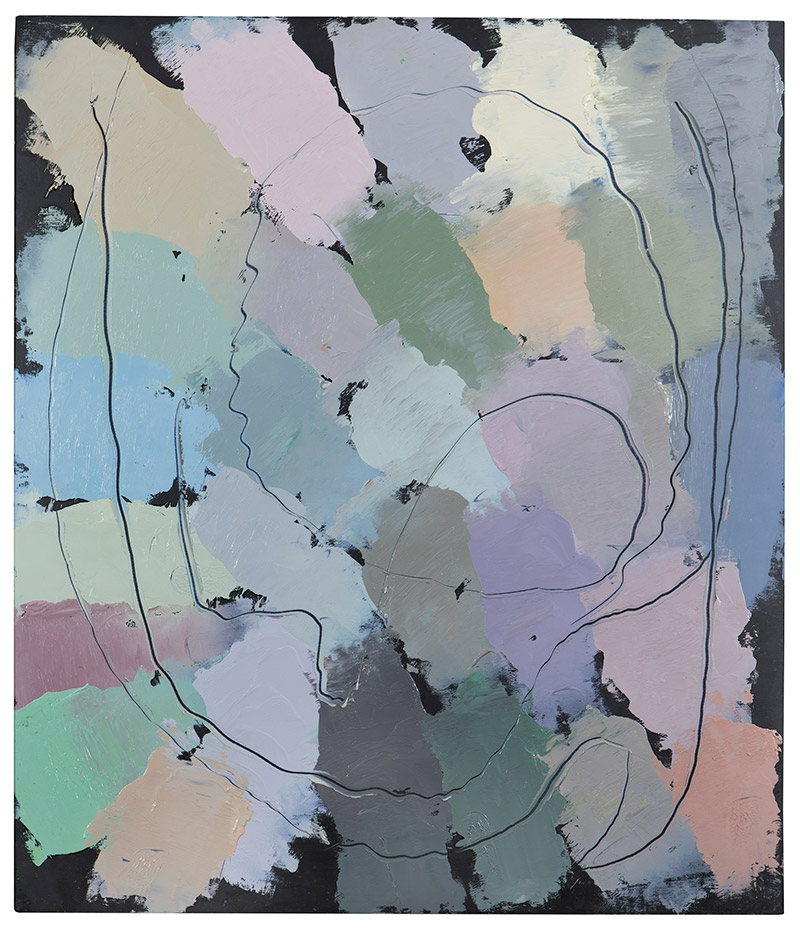
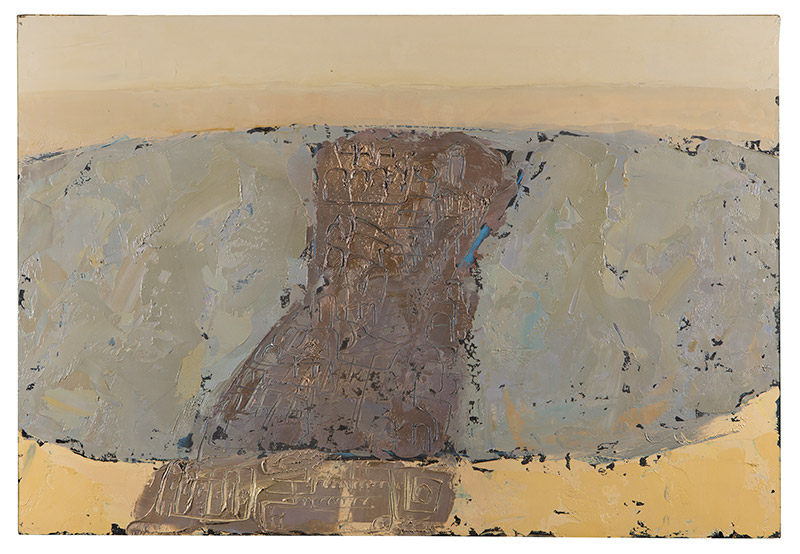
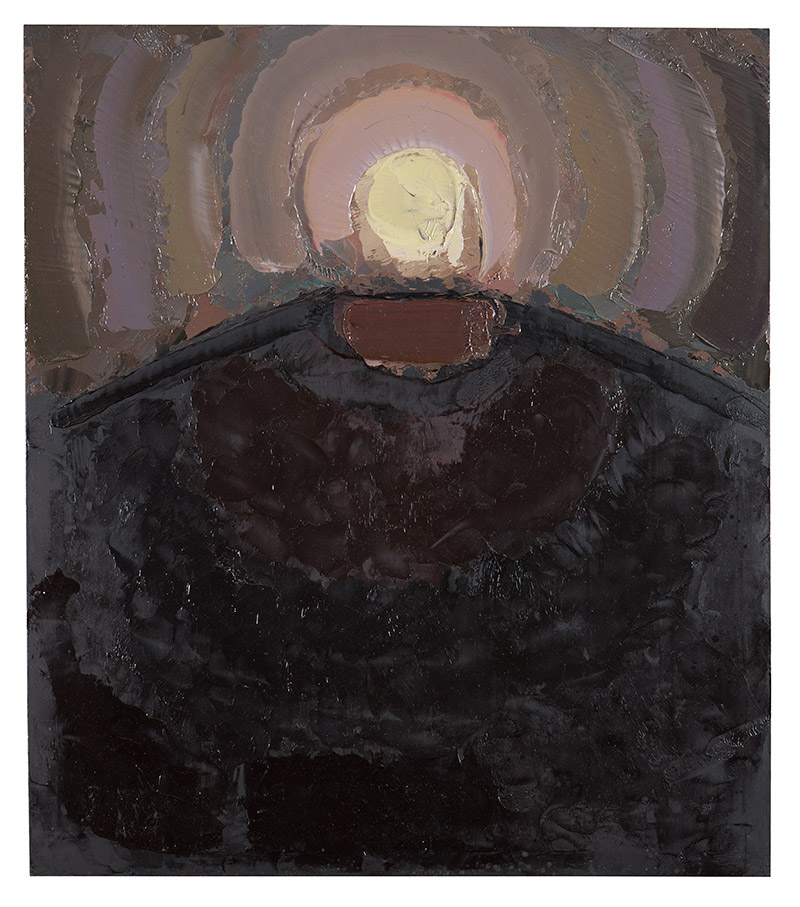
William Congdon (1912-1998) was an American “action painter” who greatly contributed to the development of his nation’s first true and autonomous artistic identity.
Congdon’s painterly expressiveness was intense, textural, visceral and this he shared with the likes of Pollock, Rothko and many other protagonists of the Abstract Expressionist scene. However, Congdon’s own personal inclination and sense of purpose led him to travel extensively outside of the USA , to expose himself to different stimuli and different cultures, to search for his own personal and spiritual DNA. Italy quickly became his home base, Venice his ultimate passion and the region of Umbria the calling of his soul. Congdon converted to Catholicism at a time when this was considered professional suicide and his painting began to change, to symbolize a search for a higher meaning; one to transcend all geographical borders.
He spent the last 20 years of his life in a Benedictine monastery to the south of Milan, in the plains of Lombardy. Here he created a foundation for the pursuit of the arts, beauty, and truth.